
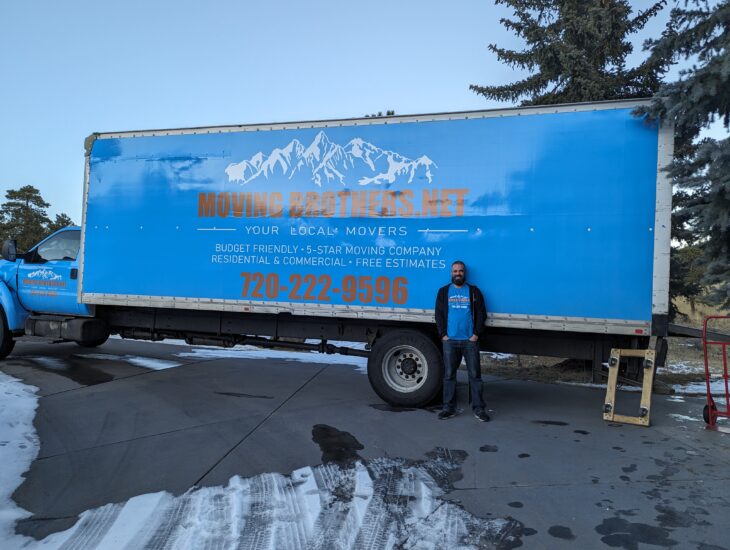
Moving Out of Colorado: What to Know Before Hiring an Interstate Moving Company
Leaving Colorado is a big decision, and the logistics of getting your household across state lines can be just as significant as the life change itself. Whether you’re relocating from Denver to Dallas, Colorado Springs to Phoenix, or Castle Rock to Chicago, an interstate move comes with challenges that a simple local haul never does. This comprehensive guide from Moving Brothers covers everything you need to know about hiring the right moving company, budgeting accurately, protecting your belongings, and keeping your sanity intact during the relocation process.
Key Takeaways
- Start planning your move at least eight weeks out and collect written estimates from a minimum of three licensed interstate moving companies to compare pricing, services, and delivery windows.
- Moving out of Colorado has unique challenges, including Colorado’s altitude, sudden weather shifts, and long distances to most major metros, making professional movers a smart investment for cross country moves.
- Always verify a mover’s USDOT number, MC number, and insurance levels through the FMCSA before signing anything. Walk away from companies that refuse to show documentation or demand large cash deposits upfront.
- Practical steps like building an essentials box, packing fragile items with proper cushioning materials, and timing your move around hot weather or winter storms at your destination can make a huge difference in how smoothly things go.
- If you’re moving from Denver, Colorado Springs, Castle Rock, or anywhere along the Front Range, request a free estimate from Moving Brothers to get a realistic picture of your total cost and timeline.
Why Leaving Colorado Is Different from Other Interstate Moves
Not every interstate move is created equal. When your starting point sits at 5,280 feet above sea level-or higher-the entire moving process takes on a different character than packing up in, say, suburban Ohio.
Colorado’s altitude and dry air directly affect how certain belongings travel. Wood furniture, musical instruments, and antiques can warp, crack, or shrink when they transition from Colorado’s low humidity to a more humid climate at your new location. Plants may struggle. Even your body feels it: heavy lifting at elevation causes faster fatigue and dehydration, which is why experienced professional movers who know Front Range conditions are worth every dollar.
Geography compounds the problem. Many outbound Colorado relocations are genuine cross country relocation jobs. Denver to Houston is roughly 1,030 miles. Colorado Springs to Phoenix is around 850. Castle Rock to Chicago pushes past 1,000 miles. These distances mean multi-day transit, higher fuel costs, and delivery windows that can stretch well over a week.
Then there’s the weather. Winter snow and ice close mountain passes. Spring storms roll through unpredictably. Late-summer hail can damage items left on a driveway waiting for loading. Reliable movers who are familiar with Colorado conditions know how to plan around these risks, chain up when needed, and adjust routes without panic.
Moving Brothers lives and works on the Front Range. We know the neighborhoods, the weather patterns, and the mountain passes between here and wherever you’re headed.
Build an Eight-Week Timeline for Moving Out of Colorado
Start planning your move eight weeks in advance. That buffer gives you enough time to research interstate moving companies, line up housing, and handle every administrative detail without a last-minute scramble.
Here’s a week-by-week framework designed for outbound Colorado moves:
Eight weeks before move date:
- Research at least five interstate moving companies with Colorado experience
- Create a rough inventory of your belongings to avoid losing items later
- Draft your moving budget with low, mid, and high scenarios
- Start a moving binder to organize quotes and documents
Six weeks out:
- Gather packing supplies six weeks before your move-boxes, tape, packing paper, bubble wrap
- Book movers at least four to six weeks in advance; earlier if you’re targeting summer
- Begin packing non essential items like off-season clothing, books, and decor
- Request school records, medical records, and veterinary files for transfer
Four weeks out:
- Confirm utility setups four weeks before moving day at your new home
- Confirm your move date and details with your chosen mover in writing
- Start researching vehicle registration and driver’s license requirements in your new state
- Arrange pet travel, boarding, or transport if needed
Two weeks out:
- Change your address with USPS two weeks before moving
- Finish packing most rooms; leave only daily essentials
- Confirm parking permits if your Denver building requires them
- Notify your employer, bank, and insurance providers of the address change
One week out:
- Pack your essentials box
- Do a final walkthrough and take photos of your home’s condition
- Confirm arrival time with your moving crew
Download a simple checklist or print this timeline and keep it in your moving folder or binder. Having it in one place keeps the entire move on track.
Create a Moving Binder or Digital Folder
Organization reduces stress during interstate relocation more than almost anything else. A moving binder-physical, digital, or both-gives you a single place to find every critical document when you need it.
What to include:
| Category | Documents |
|---|---|
| Mover info | Quotes, signed contract, USDOT number, MC number |
| Insurance | Cargo coverage details, liability policies, homeowner’s/renter’s insurance |
| Inventory | Full list of belongings with photos of high-value items |
| Housing | Lease or sale papers, new-state registration info |
| Personal | Medical records, school transcripts, pet vaccination records |
| Communication | Emails, call notes, and change orders with your mover |
Maintaining an inventory list and documentation is critical during a move. Use both a physical binder and cloud storage-scanned PDFs in Google Drive or Dropbox-so you can pull up important paperwork from your phone while sitting in a rest-stop parking lot somewhere in Kansas.
Create a dedicated section in the binder just for communication with your chosen interstate moving company. If anything goes sideways, having a paper trail of emails, call notes, and change orders protects you.
Moving Brothers customers can use this binder to track our estimate, confirmation, and any specialty-services requests in one tidy place.
Set a Realistic Budget for an Interstate Relocation
Cross country moves out of Colorado cost more than local moves, and underestimating the total cost is one of the most common mistakes people make.
Key Cost Drivers
- Distance: Denver to Phoenix (~830 miles) costs significantly less than Denver to New York (~1,800 miles).
- Shipment weight: A one bedroom apartment weighs far less than a four-bedroom house.
- Timing: Moving during off-peak seasons can reduce costs significantly. Peak demand runs May through September.
- Add-ons: Average moving costs increase with additional services like packing, crating, long-carry fees, and storage.
What the Numbers Look Like
Moving costs vary based on distance and shipment weight. According to Angi’s 2026 data, the average cost for a long distance move out of Denver is around $4,895, with a typical range between $2,208 and $7,815 depending on home size and destination.
For reference, local moves in Denver cost between $600 and $1,100 for a one bedroom apartment. Once you cross state lines, the math changes fast.
Common Line Items to Budget For
- Packing supplies (boxes, tape, paper, bubble wrap)
- Full or partial packing services
- Long-carry or stair fees
- Storage in transit
- Insurance upgrades (Full Value Protection)
- Lodging and meals during transit
- Gas or airfare for your own travel
- Pet transport
Build three scenarios-low, mid, and high-using written quotes from several interstate moving companies to refine the numbers. A low-end 2-bedroom move of roughly 1,000 miles might land in the mid-$3,000s during off-peak, while full-service peak-season moves with tight delivery windows can exceed $8,000.
Contact Moving Brothers early for a free estimate so you can align your moving budget with realistic pricing.
Deciding Between DIY and Hiring Interstate Moving Companies
Renting a truck and loading it yourself sounds cheaper on paper. For a studio apartment moving to a neighboring state, it might actually work. But for most cross country moves out of Colorado, the math and the risk tell a different story.
Pros of DIY:
- More control over your schedule
- Potentially lower base cost for very small loads
- Flexibility for multiple stops along the way
Cons of DIY for Colorado departures:
- Driving a 26-foot moving truck over mountain passes in variable weather is stressful and potentially dangerous
- Fatigue at altitude makes loading harder and slower
- Hidden costs stack up: fuel (trucks get 6-10 mpg), tolls, hotels, meals, time off work, and potential damage from amateur packing
- No liability coverage if you break your own things
Professional movers can save time and reduce physical strain. Experienced drivers handle mountain passes routinely, use proper equipment for heavy lifting, and carry liability coverage that protects your belongings in transit.
Hybrid options also exist. You could hire Moving Brothers for loading, handling large furniture and specialty items at your Colorado home, while you handle some packing or drive your personal vehicle separately. This middle-ground approach often balances cost savings with professional service quality where it matters most.
How to Vet Interstate Moving Companies Leaving Colorado
Choosing the right moving company is one of the most consequential decisions in the moving process. Here’s how to separate legitimate movers from the ones that will make your life miserable.
Step 1: Start with research. Run an online search, but go beyond the first ad. Read recent online reviews on Google, Yelp, and the Better Business Bureau. Look for patterns, not just single complaints.
Step 2: Confirm credentials. Read reviews to gauge a moving company’s reliability, but don’t stop there. Verify years in business, check for a physical office address in Colorado, and confirm the company isn’t just a storefront for a lead-generation website.
Step 3: Prioritize Colorado experience. Look for movers with specific experience in interstate relocation from Denver, Colorado Springs, Castle Rock, and other Front Range cities. A company that knows the terrain, the neighborhoods, and the seasonal risks will handle your move more smoothly.
Step 4: Understand the broker question. Check if the moving company is a direct carrier or a broker. A broker arranges your move but doesn’t own trucks or employ crews. According to the FMCSA, brokers must be registered and use licensed movers, but you lose a layer of accountability when a middleman is involved.
Step 5: Compare service scope. Add Moving Brothers to your shortlist and compare our service scope and responsiveness with other candidates. Look for clear communication, willingness to answer questions, and good reviews from past customers.
Licensing, USDOT Numbers, and Insurance: Non-Negotiables
Interstate moving companies must be properly licensed and insured to cross state lines legally. No exceptions.
Licensed movers must register with the US Department of Transportation. Specifically, movers must hold a valid U.S. DOT number and interstate operating authority, often called an MC number. Licensed moving companies must have a unique USDOT number, which you can look up yourself.
You can verify registration status through the FMCSA SAFER Company Snapshot. If a company’s USDOT number doesn’t show up or their authority isn’t active, walk away.
Interstate movers are regulated by the Federal Motor Carrier Safety Administration (FMCSA). Federal regulations mandate that movers provide the “Your Rights and Responsibilities When You Move” booklet before you sign anything. If they don’t hand it over, that’s a red flag.
Insurance and Valuation Coverage
There are two main levels of coverage:
| Coverage Type | What It Means | Typical Cost |
|---|---|---|
| Released Value (standard) | $0.60 per pound per item. A 50-lb TV would pay out $30. | Included at no charge |
| Full Value Protection | Mover repairs, replaces, or reimburses at current market value | Usually 1-2% of declared value |
Standard released value coverage compensates only 60 cents per pound per item, which is almost never enough for anything valuable. Full Value Protection ensures comprehensive coverage for lost or damaged goods and is worth the extra cost for most interstate moves.
Ask each company for proof of insurance-cargo and liability-and walk away from movers that hesitate to provide documentation.
Moving Brothers is fully licensed and insured. That said, we encourage every customer to verify any mover’s credentials independently.
Getting and Comparing a Free Estimate from Multiple Movers
Collecting several detailed estimates is the best way to avoid overpaying, spot hidden fees, and easily identify which companies are serious.
Get written estimates from at least three licensed interstate movers. Here’s how they differ:
- Non-binding estimate: The final price can change based on actual weight or services rendered. Non-binding estimates can legally require payment up to 110% of the estimate at delivery, with the remainder due within 30 days.
- Binding estimate: Binding estimates guarantee the price based on listed inventory. Your cost won’t increase as long as the inventory stays the same.
- Binding not-to-exceed: Sets a ceiling price. If your shipment weighs less, you pay less; if it weighs more, you still pay the quoted amount.
What a Good Estimate Should Include
- Origin and destination addresses
- Approximate weight or cubic footage
- Packing services (full, partial, fragile-only)
- Special-item handling (pianos, safes, artwork)
- All known fees: stairs, long carry, shuttle, storage
- Valuation coverage options
- Delivery window
Companies should conduct thorough in-person or virtual inventory surveys before moving, especially for larger homes. A quick phone quote for a 3-bedroom house is almost guaranteed to be inaccurate.
Compare quotes from multiple moving companies for best pricing. Get a free estimate from Moving Brothers and compare line-by-line with other offers, paying close attention to missing or vague charges.
Red Flags and Moving Scams to Watch For
Interstate moving scams still happen, and awareness is your best defense. Here’s what to watch for:
- Large cash deposits: Beware of companies demanding large cash deposits upfront. Legitimate movers typically collect payment at delivery or charge a modest deposit by credit card.
- No physical address: If the company operates only from a cell phone and a P.O. box, be cautious.
- No USDOT number: Any interstate mover without one is operating illegally.
- Vague contracts: If the estimate is verbal only, or the contract doesn’t itemize services, you’re setting yourself up for a bait-and-switch.
- Lowball pricing that spikes on moving day: This is the classic scam. They quote you $2,000, load your belongings onto the truck, then demand $6,000 before they’ll release your items.
Avoid movers requiring large cash deposits upfront. Insist on written, itemized estimates. Check FMCSA complaint histories and Better Business Bureau profiles, especially for unknown companies advertising rock-bottom prices.
Reputable moving companies like Moving Brothers provide clear paperwork, written terms, and transparent pricing upfront. If something feels off during the quoting process, trust your instinct and move on to the next candidate.
Planning Around Colorado Weather, Altitude, and Seasons
Timing your departure from Colorado matters because of snow, hail, and high-altitude exertion. All three can derail a moving day if you’re not prepared.
Peak Season
The typical peak moving season runs May through September. During that window, demand surges, prices rise, and availability tightens. If you’re planning a summer move, booking eight weeks ahead is important.
Altitude Considerations
At Denver’s elevation and higher, people tire more quickly and dehydrate faster. On moving day, drink extra water, pace yourself, and let professional crews handle the heavy lifting and strenuous moving tasks. This isn’t the time to prove you can carry a dresser down two flights of stairs.
Weather-Specific Planning
- Winter (November–March): Mountain passes may close or require chains. Cold temperatures can stress plumbing and electronics.
- Spring: Unpredictable storms, including late-season snow at higher elevations.
- Summer: Afternoon thunderstorms and hail are common along the Front Range. Don’t leave belongings staged on a driveway during a July afternoon.
When coordinating arrival at your destination, think about climate there, too. Avoiding peak hot weather when moving to Texas, Arizona, or the Southeast in July means your belongings (and your patience) will fare better.
Coordinating a Cross Country Move: Distance and Timing
The length and routing of your interstate relocation impact both cost and delivery windows. Here are rough timelines for common moving routes from Colorado:
| Route | Approximate Distance | Typical Transit Time |
|---|---|---|
| Denver to Phoenix | 830–900 miles | 2–5 business days |
| Denver to Chicago | 1,000–1,200 miles | 5–7 business days |
| Colorado Springs to Dallas | ~900 miles | 3–5 business days |
| Denver to East Coast | 1,800–2,500 miles | 7–14 business days |
These are delivery spreads, not guaranteed dates. Most interstate moving companies provide a multi-day delivery window rather than a single arrival date, especially for cross country moves. Flexibility on your end is important.
Ask movers to explain their dispatch and routing policies clearly before signing. Will your load be on a dedicated truck or consolidated with other shipments? A dedicated load usually delivers faster but costs more.
Moving Brothers sets expectations about transit times, check-ins, and clear communication during long distance hauls. We don’t leave you guessing where your stuff is.
Special Considerations for Colorado Springs, Denver, and Castle Rock Departures
While the core interstate process is similar regardless of your Colorado starting point, logistics differ between cities.
Denver
Many Denver buildings require parking permits or loading-dock reservations for large trucks. Obtain a right-of-way permit for moving trucks in Denver-permits for moving trucks in Denver cost around $50. Narrow streets in neighborhoods like Capitol Hill, Park Hill, or Washington Park can limit truck access. Confirm HOA or building management rules about moving hours and elevator use well in advance.
Colorado Springs and Castle Rock
Newer subdivisions in these areas often feature cul-de-sacs, steep driveways, and limited turnaround space for large vehicles. Some foothill neighborhoods may require shuttle services if a full-size moving truck can’t navigate the driveway. If your home has narrow hallways, tight stairwells, or difficult access, let your movers know during the estimate process so they can plan the right truck sizes and crew.
Mountain Communities
If you’re departing from a mountain town, expect additional challenges: altitude-related fatigue for crews, potential road closures, and weather windows that are narrower than on the Front Range.
Moving Brothers regularly handles origin jobs in Denver, Colorado Springs, Castle Rock, and Highlands Ranch and can advise on neighborhood-specific issues before the movers arrive.
Packing Strategy: What to Handle Yourself vs. What to Leave to Pros
Thoughtful packing choices can reduce damage and stress during interstate relocation. The key factors here are time, skill, and risk tolerance.
Let professionals pack these:
- Large fragile items like glass-front cabinets and mirrors
- Artwork and framed pieces
- Pianos, safes, and chandeliers
- Bulky electronics (large TVs, desktop computers)
- Antiques and heirlooms
Most customers prefer to pack these themselves:
- Important documents and personal papers
- Small electronics and chargers
- Keepsakes and sentimental items
- Daily-use clothing
Ask interstate moving companies for a menu of packing options-full, partial, or fragile-only-to align with your budget and available time. Not everyone needs full-service packing, and not everyone should try to pack a crystal chandelier with newspaper and hope.
Moving Brothers can design a hybrid packing plan tailored to how much help you actually need, so you’re not paying for services you don’t want while still protecting the things that matter most.
Packing Fragile Items for an Interstate Move
Dishes, glassware, heirlooms, and artwork need extra attention when they’re traveling hundreds or thousands of miles in the back of a moving truck.
Materials You’ll Need
- Double-walled boxes (dish packs for kitchenware)
- Packing paper (unprinted newsprint)
- Bubble wrap for extra cushioning
- Cushioning materials like foam peanuts or crumpled paper for void fill
- Clear “FRAGILE” labels on multiple sides of each box
Basic Techniques
- Wrap each piece individually-never stack unwrapped plates or nest unwrapped glasses
- Cushion the bottom and top of every box
- Avoid empty spaces inside boxes; movement during transit causes breakage
- Pack heavier items at the bottom, lighter on top
Separate especially delicate or high-value fragile items and discuss them specifically with your movers on loading day. If a piece is irreplaceable, consider carrying it in your personal vehicle rather than putting it on the truck.
Moving Brothers crews are trained in fragile-item packing specific to long distance and cross country transportation.
Building an Essentials Box for Your First 72 Hours
An essentials box keeps you functional even if the truck arrives a day or two after you do at your new home.
What to include:
- Toiletries and medications
- Three days of clothing and underwear
- Basic tools (screwdriver, pliers, utility knife)
- Snacks and a reusable water bottle
- Pet supplies (food, leash, bowls, medication)
- Phone chargers and a portable battery pack
- Key documents (IDs, lease/mortgage papers, moving contract)
- Toilet paper, paper towels, and a basic cleaning spray
Pack one essentials box per adult, plus a family “household essentials” bin with basic kitchen items (a pot, utensils, dish soap, paper plates) and cleaning supplies.
Keep these essentials with you in your own vehicle, not on the moving truck, when leaving Colorado. Moving Brothers move coordinators often remind customers to prep this box about one week before move-out day.
Managing Utilities, Services, and Address Changes Across State Lines
Interstate relocation requires careful overlap of old and new services to avoid gaps. Nobody wants to arrive at their destination room in a new city with no electricity or running water.
Cancel or Transfer in Colorado
- Electricity, gas, water (schedule shutoff for the day after move-out)
- Internet and cable
- Trash and recycling
- Security systems and emergency services monitoring
Set Up at Your New Home
Set up utility accounts before moving to ensure services are active when you arrive. Confirm electricity, gas, water, and internet will be on at least the day before your expected arrival. Walking into a dark, freezing, or sweltering house is a miserable way to start.
Address Changes and Account Updates
- File a change of address with USPS two weeks prior to your move
- Transfer homeowner’s or renter’s insurance before moving
- Update your address with banks, credit cards, employers, and the IRS
- Update voter registration in your new state
- Cancel or update subscription services (meal kits, streaming, gym memberships)
Create a simple checklist of all accounts and knock out a few updates each day during the final two weeks. It’s tedious but prevents surprises with billing or mail going to the wrong new address.
Vehicle, License, and Legal To-Dos When Leaving Colorado
This section covers the often-overlooked administrative side of moving out of state, but ignoring it can lead to fines or hassles with law enforcement.
- Driver’s license: Check your new state’s rules. Many states require new residents to obtain a driver’s license within 30 days of establishing residency.
- Vehicle registration: Deadlines vary by state, but 60–90 days is common. Some states also require emissions testing or safety inspections.
- Insurance: Verify how your auto insurance policy will change after you move. Most insurers need your new address immediately to adjust coverage and rates.
- Colorado cleanup: Depending on your new state’s rules, you may need to cancel your Colorado registration or surrender your plates.
Keep title documents, registration papers, and insurance cards in an easily accessible folder during the drive. If you’re shipping your vehicle separately, confirm the auto transport company is properly licensed and insured.
If you’re a renter, don’t forget to document the condition of your Colorado apartment and follow up on your security deposit after move-out.
While Moving Brothers doesn’t handle legal paperwork, our experience helps us remind customers of these common tasks so nothing falls through the cracks.
Preparing Children, Pets, and Plants for Interstate Relocation
Long distance moves disrupt routines and require extra planning for the smallest (and furriest) members of your household.
Children
- Talk about the move early and honestly
- Involve kids in packing their own rooms-it gives them a sense of control
- Prepare school transfer records and vaccination documentation before you leave
- Pack a separate bag with their favorite toys, snacks, and comfort items for the road
Pets
- Schedule a vet checkup and get updated vaccinations
- Research pet-friendly hotels along your route
- Bring a travel crate, familiar blankets, and enough food and water for the drive
- Keep vet records accessible in your binder
Plants
Some plants don’t travel well across long distances, and certain states restrict plant importation to prevent pest spread. Ask your movers which living items they cannot transport. Most interstate moving companies will not ship plants, so you may need to carry them in your own vehicle or gift them to a neighbor.
Professional movers like Moving Brothers can give practical tips on keeping moving day calmer for families and pets, including scheduling heavy, noisy work for times when kids or animals aren’t underfoot.
Moving Day in Colorado: What to Have Ready for Your Movers
This is the day everything comes together. A little preparation before the crew arrives saves hours and headaches.
Before movers arrive:
- Clear walkways and driveways of ice, snow, or obstacles
- Reserve the elevator or loading dock if you’re in a Denver high-rise
- Designate a bathroom for crew use and a staging area for items staying behind
- Set aside anything that is not going on the truck (cleaning supplies, personal bags, items for donation)
For efficient loading:
- Have a printed inventory ready
- Label boxes with the destination room at your new home
- Prepare a simple floor plan of your new house so movers know where things go on delivery day
- Separate high-value or do-not-pack items clearly
Be on-site or have a trusted decision-maker present to answer questions and sign paperwork. Moving crews need someone who can make calls about what goes, what stays, and how to handle last-minute issues.
Moving Brothers crews will walk through the home with you before and after loading to confirm what’s going and what stays. This walkthrough protects both sides and gives you peace of mind as the truck pulls away.
How Interstate Delivery, Communication, and Tracking Work
Once the moving truck leaves Colorado, good communication with your mover becomes critical. You shouldn’t have to wonder where your belongings are for two weeks.
What to expect:
- Dispatch updates when the truck departs your origin city
- Check-in calls or texts from drivers or coordinators during transit
- Estimated delivery windows that may adjust slightly due to traffic, weather, or routing changes
Get a clear point of contact-a coordinator or dispatcher-and the best phone numbers for in-transit questions. If your mover can’t tell you who to call, that’s a problem.
Preparing for delivery day at your new home:
- Reserve a parking space large enough for the truck
- Book elevator time in apartment buildings
- Notify neighbors or your HOA about the arrival
- Have your essentials box and important documents with you, not buried in the truck
Moving Brothers prioritizes timely communication throughout the interstate relocation so customers aren’t left guessing. We provide check-ins and advance notice before delivery so you can be ready when the truck shows up.
Handling Claims, Damages, and Post-Move Issues
Even with careful planning and careful handling, interstate moves can occasionally involve damage or missing items. Knowing the process in advance protects you.
Before packing or loading: Take dated photos of valuable and fragile items. This documentation is your best evidence if something goes wrong.
If damage occurs:
- Notify the mover promptly-don’t wait weeks
- Complete the company’s claim forms
- Supply photos, inventory notes, and receipts for damaged or missing items
- Keep all related receipts for any replacement or repair costs
Standard released value coverage compensates only 60 cents per pound per item. That means a 50-pound antique table that’s worth $2,000 would only pay out $30 under basic coverage. This is why Full Value Protection matters for most households.
Federal regulations generally require movers to acknowledge claims within 30 days and resolve them within 120 days of receipt, though specific timelines depend on the carrier.
Reputable moving companies like Moving Brothers work to resolve legitimate issues fairly. Reading the valuation and claims sections of your contract before signing is essential-not after something breaks.
Choosing the Best Time of Year to Move Out of Colorado
Seasonality affects both cost and comfort when relocating from Colorado to another state. The “perfect” time depends on your priorities.
Summer (June–August):
- Pros: More daylight, school breaks, better mountain-pass conditions
- Cons: Higher demand, higher prices, afternoon thunderstorms, and hail on the Front Range
Winter (November–March):
- Pros: Often lower rates, less competition for preferred dates
- Cons: Snow and ice over mountain passes, cold-weather damage risks, shorter daylight hours
Spring and fall:
- Often the sweet spot-milder weather, potentially better availability from interstate moving companies, and more reasonable pricing
- Watch for late-spring snow at elevation and early-fall storms
Moving during off-peak seasons can reduce costs significantly. If you have flexibility on your move date, targeting October, November, or March could save hundreds or more.
Contact Moving Brothers early if you’re targeting peak months so you can lock in your preferred move-out date before calendars fill up.
How Moving Brothers Supports Interstate Moves Out of Colorado
Moving Brothers exists to help customers leave Colorado smoothly, without the stress that comes from working with a company that doesn’t understand the Front Range.
Our core services for outbound moves include:
- Loading and unloading with experienced, trained crews
- Full packing, partial packing, and fragile-only packing options
- Handling of specialty items like pianos, safes, and oversized furniture
- Origin-side coordination in Denver, Colorado Springs, Castle Rock, Highlands Ranch, and surrounding areas
We focus on origin-side excellence, making sure your belongings are packed, protected, and loaded correctly before they hit the highway. When applicable, we coordinate seamlessly with long-haul transport to get your household to its new home.
Our knowledge of Colorado’s neighborhoods, weather patterns, and elevation issues helps minimize surprises on moving day. We’ve loaded trucks in Capitol Hill walk-ups, navigated Castle Rock cul-de-sacs, and handled Colorado Springs foothill driveways more times than we can count.
We believe in transparent pricing, clear communication, and customer satisfaction from your first phone call to the moment your last box is unloaded.
Contact Moving Brothers for a free estimate and a personalized interstate moving plan tailored to your timeline and destination. You can feel confident that your move starts with a team that knows Colorado inside and out.
FAQ
How far in advance should I book an interstate moving company when leaving Colorado?
Four to six weeks is the absolute minimum, and eight weeks is ideal-especially for summer moves or large homes. Peak season from May through September fills up fast along the Front Range, and booking eight weeks ahead gives you better options for both dates and pricing. Moving Brothers accepts reservations well in advance and can sometimes accommodate short-notice moves during the off-season.
Is moving out of Colorado more expensive than moving within the state?
Yes. Interstate relocation typically costs more than local moves because of distance, fuel, driver time, and regulatory requirements. Shipping a full household from Denver to coastal or southern states is usually a multi-day, cross country trip with significantly higher labor and logistics costs. Instead of relying on rough averages, get a free estimate that factors in your actual weight, distance, and services so you have a realistic final price to plan around.
Will my movers refuse to take certain items on an interstate move?
Most interstate moving companies will not transport hazardous materials like gasoline, propane tanks, fireworks, or certain chemicals. Perishable food, some plants, and firearms may also have restrictions depending on company policy and destination state laws. Ask Moving Brothers for a do-not-pack list a couple of weeks before move-out day so you have time to make alternative arrangements.
How does Colorado’s altitude affect moving day and the drive to my new state?
At elevations like Denver’s 5,280 feet and higher, people can tire more quickly and get dehydrated faster than they expect. This applies to both you and your moving crew. Drink extra water, take breaks from heavy lifting, and let professional crews handle the most strenuous tasks. Experienced movers plan routes and truck operation with mountain passes and altitude in mind, adjusting for weather, chaining requirements, and rest stops.
Can Moving Brothers handle my entire cross country move door-to-door?
Moving Brothers can provide full origin services in Colorado and, depending on the destination and scope, can coordinate or provide end-to-end solutions for your long distance move. The best way to find out is to call with your specific origin, destination, and timing so we can outline exactly what we can handle for your interstate relocation. Even when partners are involved on the transport leg, Moving Brothers remains a single, local point of contact at the Colorado end-so you always know who to call. A stress free relocation starts with one conversation.