
Fort Collins Relocation Guide: What Newcomers Should Know
Moving to Fort Collins means trading big-city congestion for mountain views, bike trails, a lively downtown, and easier access to some of Colorado’s best outdoor recreation. But like any relocation, getting settled is easier when you know what to expect before the moving truck arrives.
Fort Collins sits along the northern Front Range, roughly an hour north of Denver and about 45 minutes south of Cheyenne, Wyoming. It is home to Colorado State University and a population of around 170,000, giving it the amenities of a larger city while still maintaining a distinct Northern Colorado feel.
If you’re considering a move to Fort Collins, here’s what to know about neighborhoods, transportation, weather, daily life, and planning your relocation.
Getting to Know Fort Collins Before You Move
Fort Collins is large enough that choosing where to live can make a noticeable difference in your day-to-day routine. The city stretches from established neighborhoods near Old Town to newer developments along the southern and eastern edges.
Colorado State University also has a major influence on the city. More than 34,000 students attended CSU’s Fort Collins campus in fall 2024, so areas close to campus tend to have more student housing, apartments, restaurants, bike traffic, and activity throughout the school year.
At the same time, Fort Collins is far from being exclusively a college town. Families, professionals, retirees, and people relocating from Denver or other states have plenty of residential options throughout the area.
Before choosing a home, consider where you’ll be working, how often you’ll travel on I-25, whether you want to be within walking or biking distance of downtown, and how important quick mountain access is to you.
Which Part of Fort Collins Is Right for You?
Fort Collins doesn’t have one neighborhood that works for everyone. Different parts of town offer noticeably different surroundings and housing options.
Old Town and Downtown
Old Town is one of the most recognizable parts of Fort Collins, with historic buildings, restaurants, breweries, shops, entertainment, and community events packed into a relatively walkable area.
Homes near Old Town can put you close to downtown activity and CSU, but moving into an older neighborhood may require some extra planning. Narrower streets, mature trees, smaller driveways, and limited parking can affect where a moving truck can safely load or unload.
Midtown Fort Collins
Midtown provides convenient access to both downtown and southern Fort Collins. College Avenue runs through the area, and the MAX bus route provides another transportation option along the Mason Corridor.
For newcomers who want established neighborhoods without being directly downtown, Midtown can provide a useful middle ground.
South Fort Collins and the Harmony Corridor
South Fort Collins has seen significant development and offers newer homes, apartment communities, shopping centers, restaurants, and convenient access to I-25.
The Harmony Road area can be particularly practical for people commuting outside Fort Collins or frequently traveling toward Loveland, Windsor, or Denver.
West Fort Collins
Head west and you’ll get closer to the foothills and Horsetooth Reservoir. This side of town can appeal to anyone who puts hiking, biking, paddling, and other outdoor activities high on their priority list.
The tradeoff is that you’ll generally be farther from I-25, something worth considering if your job requires frequent travel along the interstate.
Yes, Fort Collins Really Is a Bike Town
One of the biggest lifestyle adjustments for some newcomers is realizing just how much Fort Collins is built around cycling.
The city has an extensive network of bike routes and trails, and cycling is a legitimate transportation option rather than simply a weekend activity. CSU describes Fort Collins as having more than 285 miles of bike routes and trails.
Public transportation is another option. Transfort operates the city’s bus system, while MAX provides bus rapid transit along the north-south Mason Corridor.
You may still want a car, particularly if you’re commuting outside the city or heading into the mountains regularly. But depending on where you live and work, you may find yourself driving less than expected.
Prepare for Colorado’s Weather and Elevation
If you’re moving to Fort Collins from a humid or low-elevation part of the country, the climate may take some adjustment.
Fort Collins sits at approximately 5,000 feet above sea level and has a relatively dry climate. Summers are typically warm and sunny, while winter brings cold temperatures and periodic snowfall. Colorado State University notes that the area receives more than 300 days of sunshine in an average year.
The dry air and elevation can surprise newcomers. Drinking more water, using moisturizer, and giving yourself some time to adjust to physical activity at elevation can make the transition more comfortable.
Weather also matters when planning your move. Colorado conditions can change quickly, particularly during winter and spring. If you’re relocating during colder months, keep snow and ice in mind when planning driveway access, sidewalks, parking, and loading areas.
Outdoor Recreation Becomes Part of Everyday Life
You don’t need to be an experienced hiker or mountain biker to appreciate Fort Collins’ location.
Horsetooth Reservoir is just west of the city and is popular for boating, paddleboarding, hiking, fishing, and other outdoor activities. Horsetooth Mountain Open Space and Lory State Park provide additional nearby trails.
Drive farther into the mountains, and you’ll find even more options. Rocky Mountain National Park, Roosevelt National Forest, Estes Park, and other mountain destinations are within reasonable driving distance.
That accessibility is one of the biggest differences newcomers notice. A Saturday outdoors doesn’t necessarily require an elaborate weekend trip. You can spend a morning hiking or biking and still be back in Fort Collins for dinner.
What Is It Like Living Near Colorado State University?
CSU is woven into Fort Collins life, particularly around the central part of the city.
Living near campus can mean easy access to restaurants, events, bike routes, and downtown. It can also mean more pedestrian traffic, students, rental properties, and activity around the beginning and end of semesters.
If you’re moving into an apartment or condo near CSU, check your building’s move-in requirements ahead of time. Ask about elevator reservations, loading zones, parking restrictions, and designated moving hours.
It’s also smart to avoid waiting until the last minute if your move overlaps with the start of a CSU semester. Demand for rentals, moving services, and parking can increase as students return to town.
Set Up Utilities Before Moving Day
Utilities are one of those details that can easily get buried underneath packing and moving tasks.
Fort Collins Utilities provides several municipal utility services to city residents. The city recommends arranging the start or stop of service at least one business day ahead, although requests can be made up to 30 days in advance.
Try to have electricity, water, internet, and other essential services ready before you arrive. You’ll appreciate having lights, Wi-Fi, and a working shower after spending the day unloading boxes.
If you’re renting, confirm which utilities are included in your lease and which accounts need to be transferred into your name.
Plan Your Fort Collins Move Around Access
The distance between two addresses isn’t the only thing that determines how smoothly a move goes.
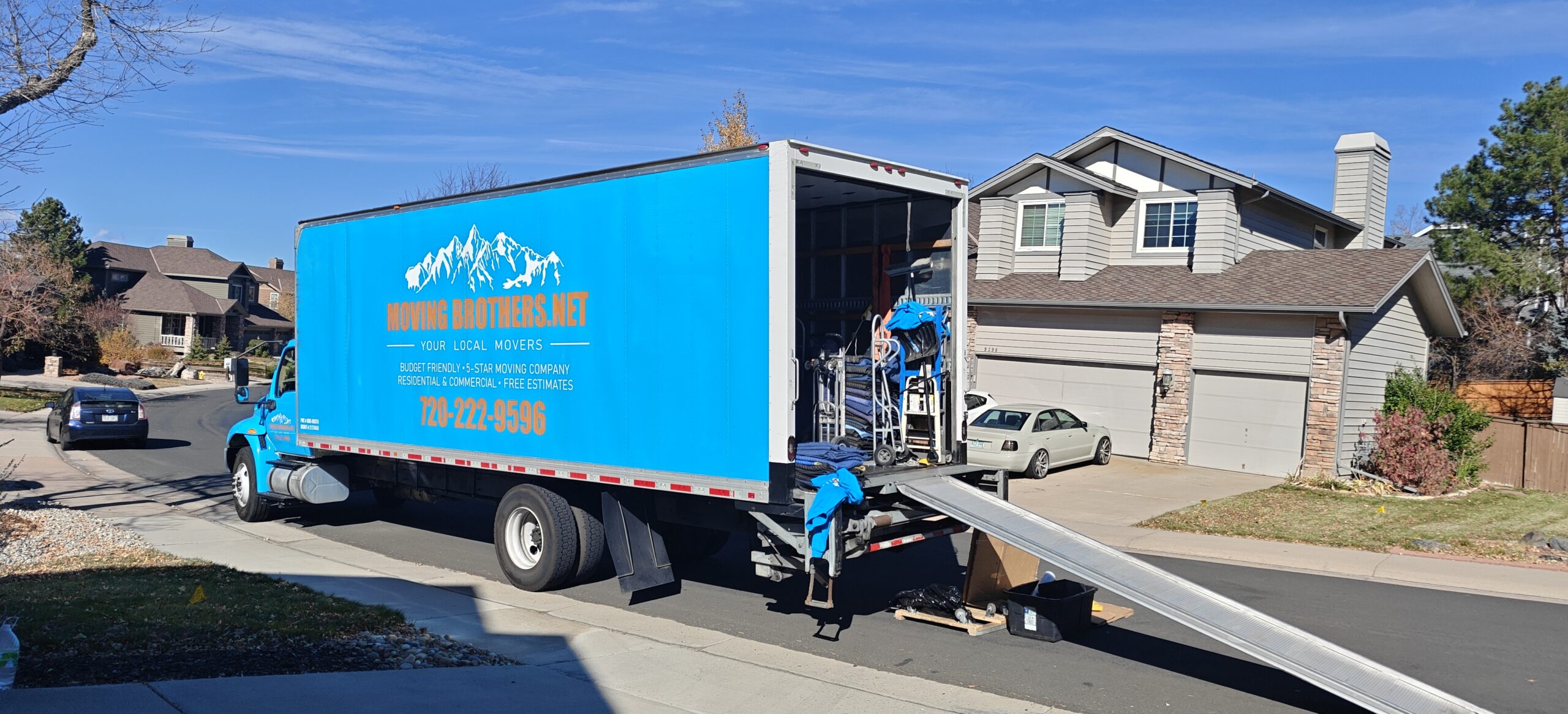
Think about the physical setup at both properties. Apartment stairs, elevators, narrow streets, long walks between the building and truck, gated communities, parking restrictions, and difficult driveways can all affect moving day.
If you’re heading into Old Town, for example, parking and street access may require more planning than moving into a newer suburban neighborhood with a large driveway.
Walk through the property before moving day and identify potential obstacles. Measure oversized furniture, check stairways and doorways, and determine where the moving truck can park.
Sharing these details ahead of time helps the crew arrive prepared.
Create a First-Day Box
Don’t make yourself search through 40 identical boxes at 10 p.m. because you can’t find your phone charger.
Pack one clearly labeled box or bag with everything you’ll want immediately after arriving. Consider including:
- Phone and laptop chargers
- Toiletries
- Medications
- Basic cleaning supplies
- Paper towels and toilet paper
- A change of clothes
- Bedding
- Coffee supplies
- Pet food and supplies
- Important documents
- Basic tools
Keep this box with you instead of loading it deep inside the moving truck.
You’ll have plenty of time to unpack everything else.
Give Yourself Time to Learn the City
You don’t need to figure out Fort Collins during your first weekend.
Spend some time exploring Old Town. Drive the Harmony Corridor. Walk or bike sections of the city’s trail system. Head west toward Horsetooth Reservoir. Figure out which grocery stores, coffee shops, parks, and restaurants are convenient from your new home.
If you’re commuting, test your route during the hours you’ll actually be traveling. A neighborhood that seems perfectly located on a map can feel different once you experience your normal routine.
Fort Collins has several distinct parts, and learning how they connect will make the city feel smaller surprisingly quickly.
Make Your Move to Fort Collins Easier With Moving Brothers
Relocating to a new city comes with enough decisions. Moving your belongings shouldn’t be another source of stress.
Our Fort Collins movers help homeowners, renters, students, families, and businesses move throughout Fort Collins and Northern Colorado. Whether you’re moving across town or relocating to Fort Collins from another part of Colorado, our crews can help with residential moving, apartment moves, packing, loading and unloading, and other moving needs.
Moving Brothers is fully licensed and insured, with Colorado PUC #HHG-00376 and USDOT #2371440.
Ready to start planning your move to Fort Collins? Request a free estimate from Moving Brothers and let an experienced Colorado moving crew handle the heavy lifting.